Multiple bypass diodes
Twenty-four bypass diodes help reduce losses when part of the panel is shaded.
 1 / 15
Chat with our team, call support or check your expected loads before ordering.
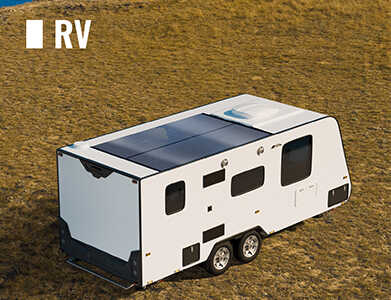
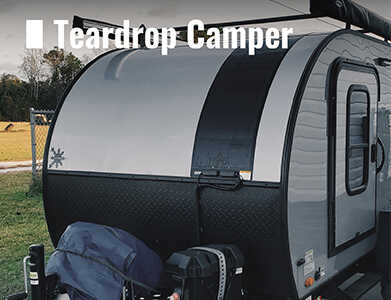
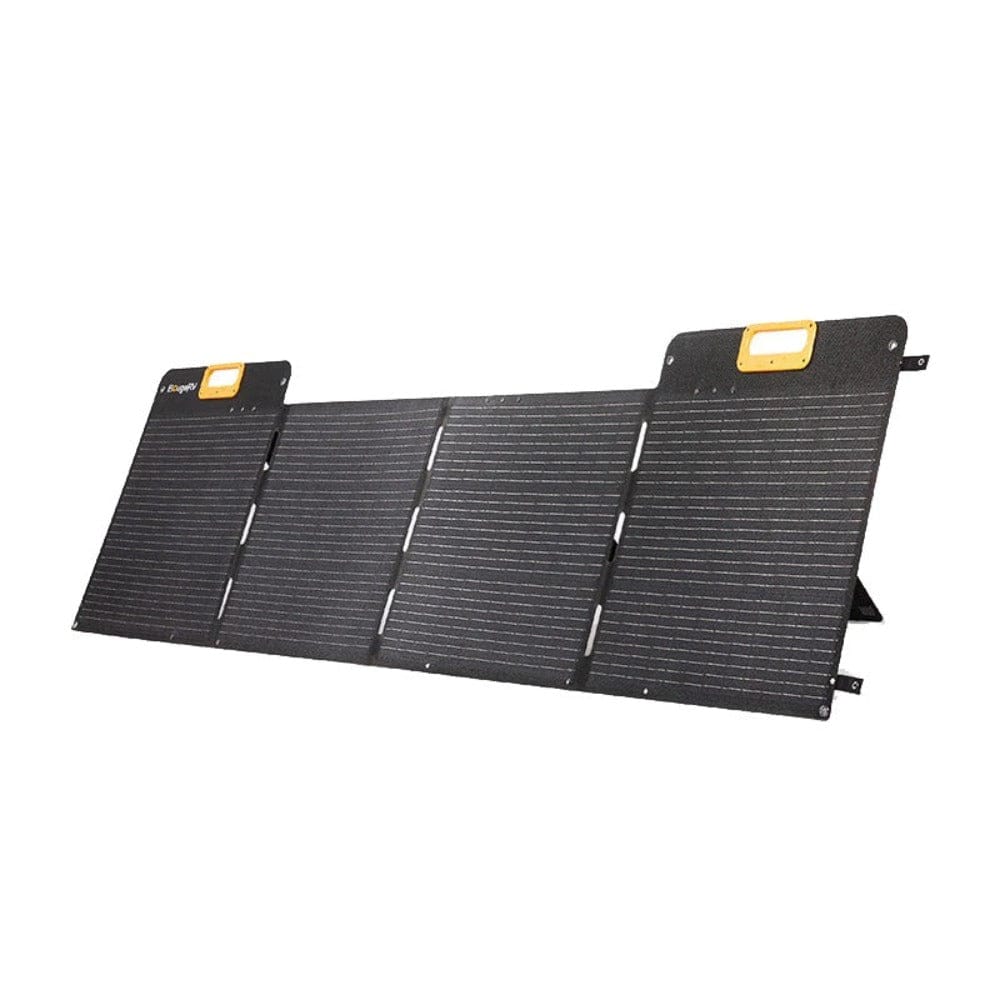
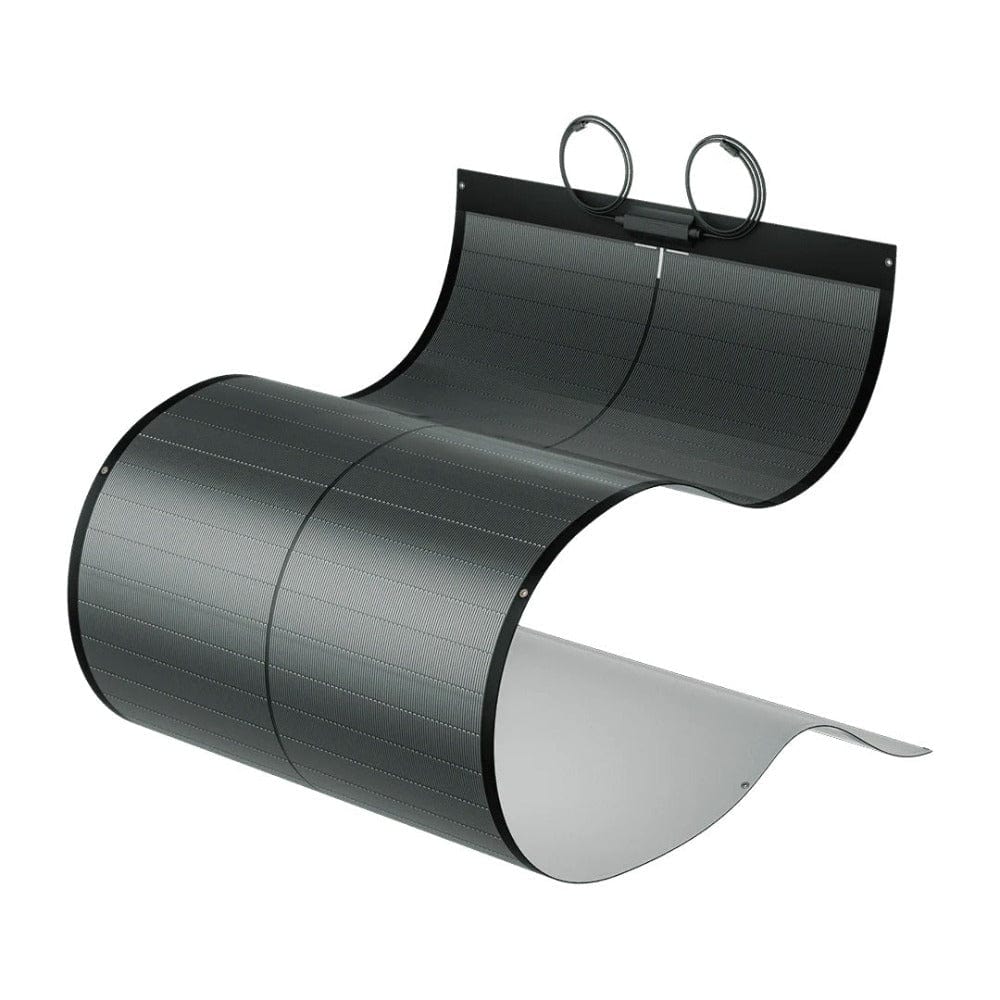
The Yuma 200W combines flexible CIGS thin-film cells, strong partial-shade performance and a remarkably light 5.95-pound design. Pre-punched mounting holes make it a practical solar solution for RVs, campervans, boats and other installations where rigid framed panels add too much weight or bulk.
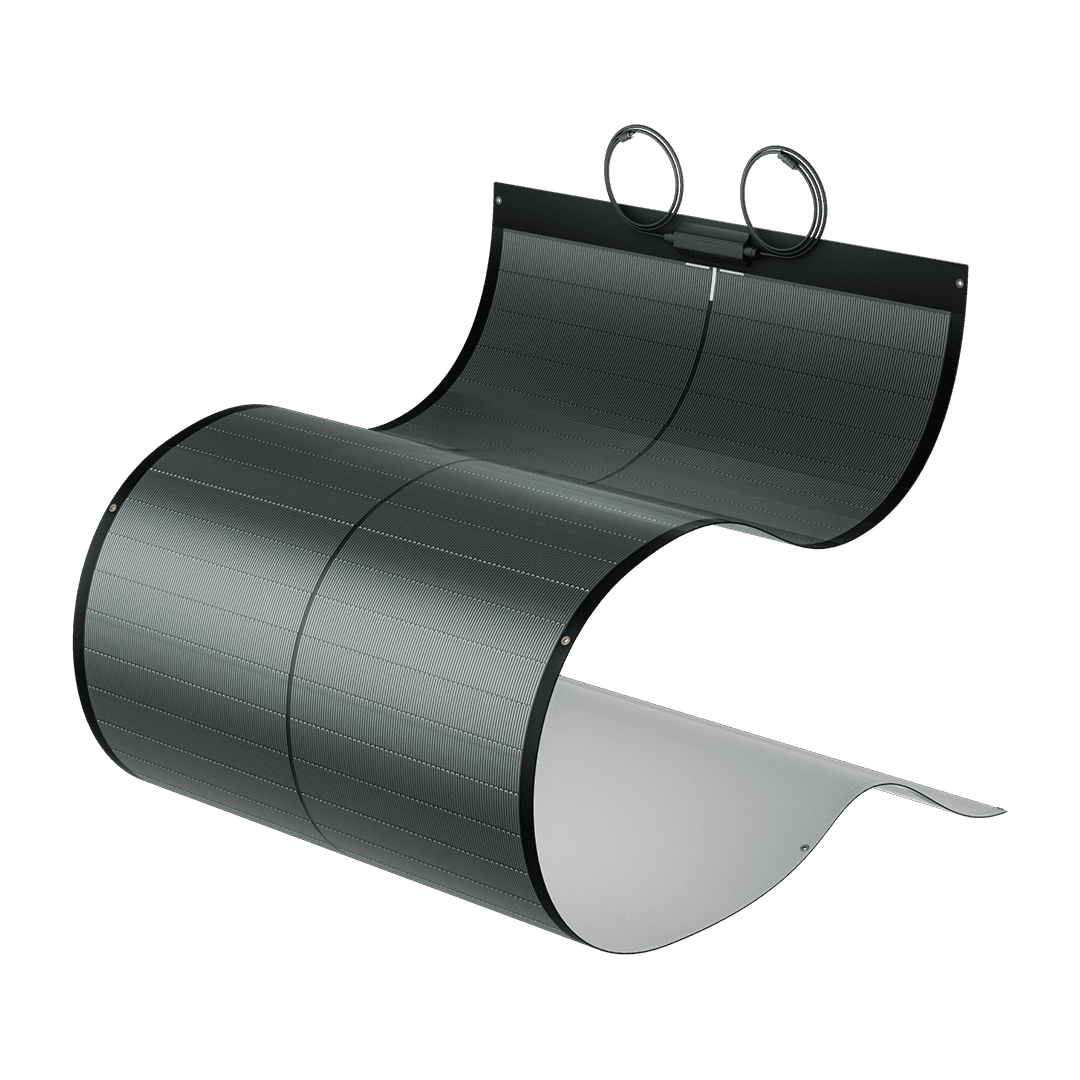
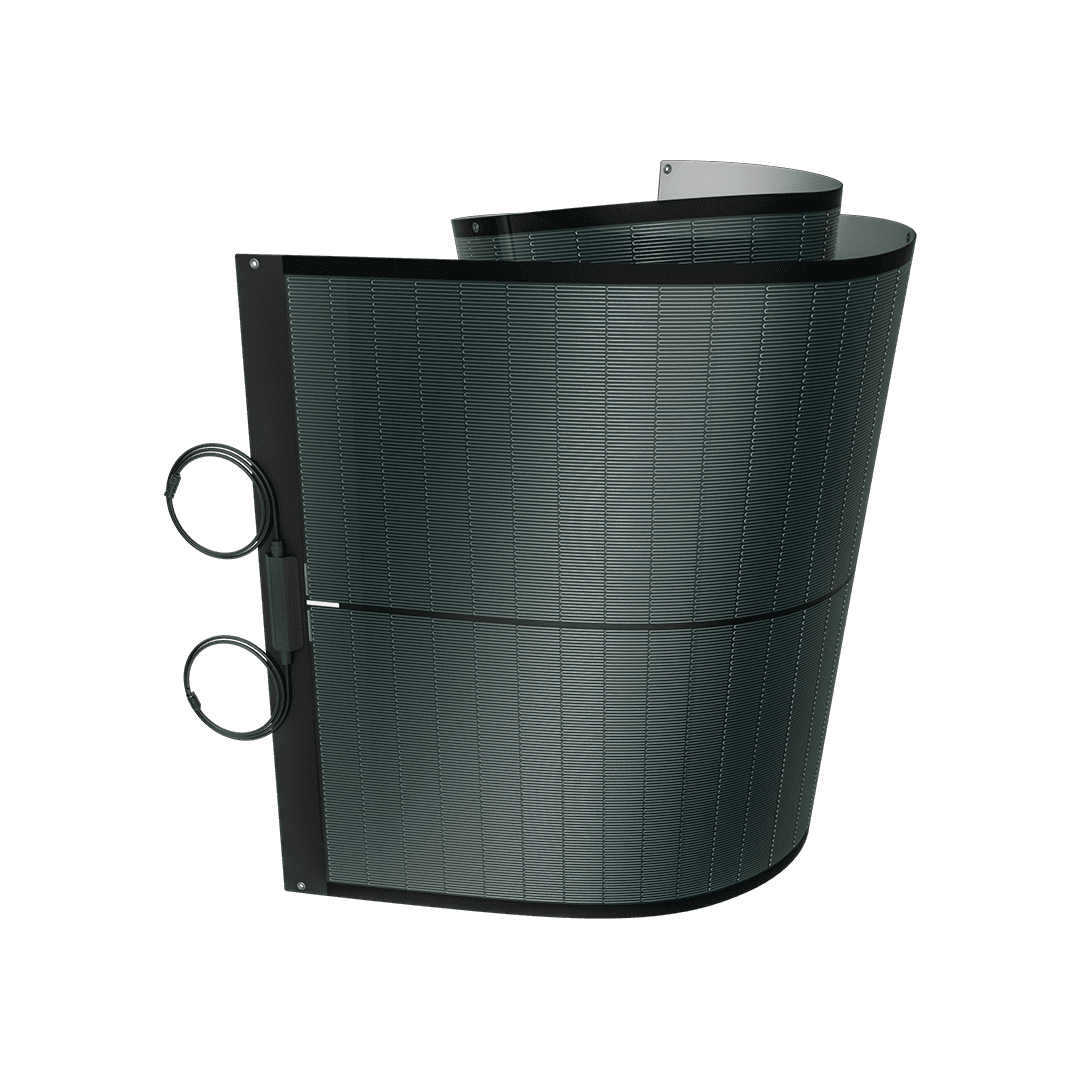

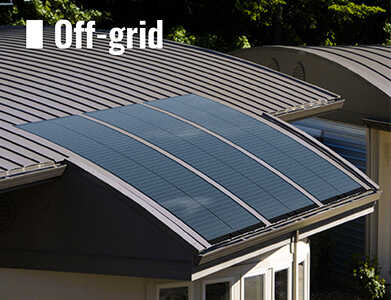
Copper Indium Gallium Selenide cells are deposited in a thin-film structure that can flex with curved and uneven mounting surfaces. That makes the Yuma a strong fit for locations where a flat, glass-covered panel would be difficult to install.
Without a bulky aluminum frame, the panel stays close to the mounting surface for a clean appearance and less added height on a vehicle or vessel.

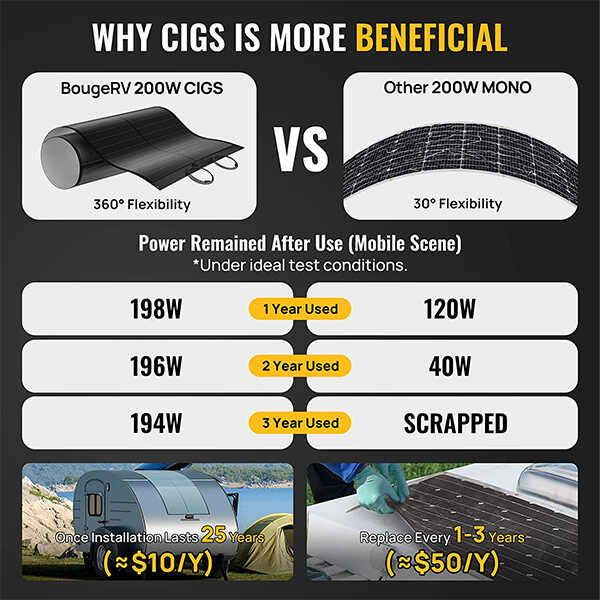
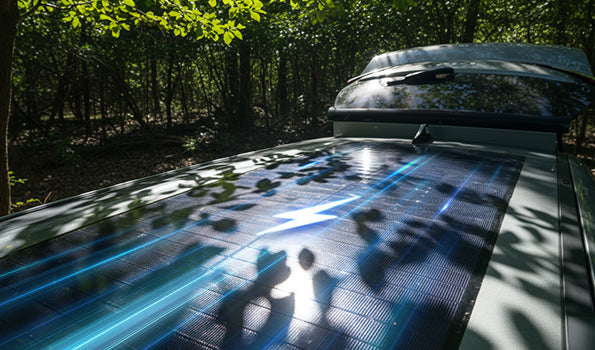
Multiple bypass diodes help isolate shaded sections so a passing shadow does not suppress the entire panel's output. BougeRV reports that the Yuma produced up to 38% more energy than a conventional monocrystalline panel during its eight-hour cloudy-day comparison.
Twenty-four bypass diodes help reduce losses when part of the panel is shaded.
Up to 38% more energy in BougeRV's stated eight-hour comparison test.
CIGS thin-film technology balances flexibility with useful off-grid output.
Built to contribute meaningful charging power without a framed module.
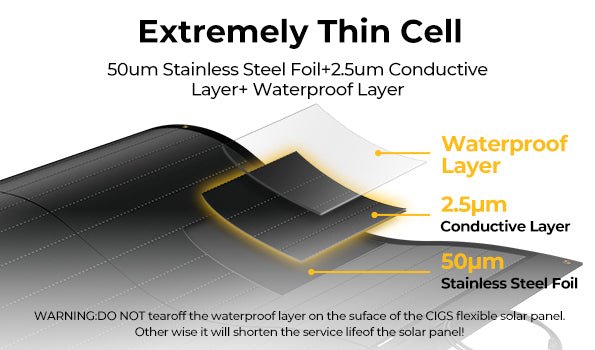
The CIGS cell structure uses a thin stainless-steel foil and protective surface layer rather than brittle crystalline wafers beneath glass. That construction helps the panel tolerate flexing and the physical demands of RV, camper and marine use.
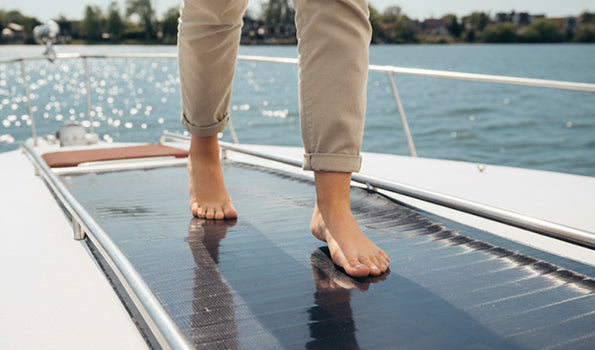
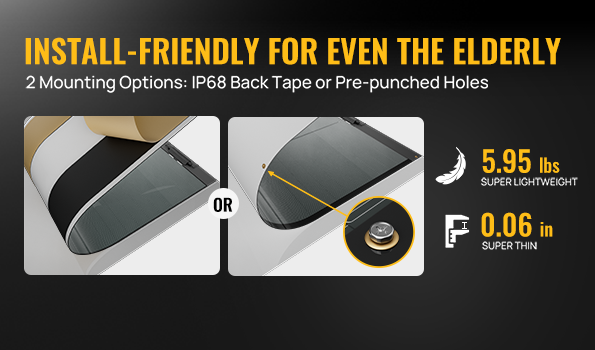
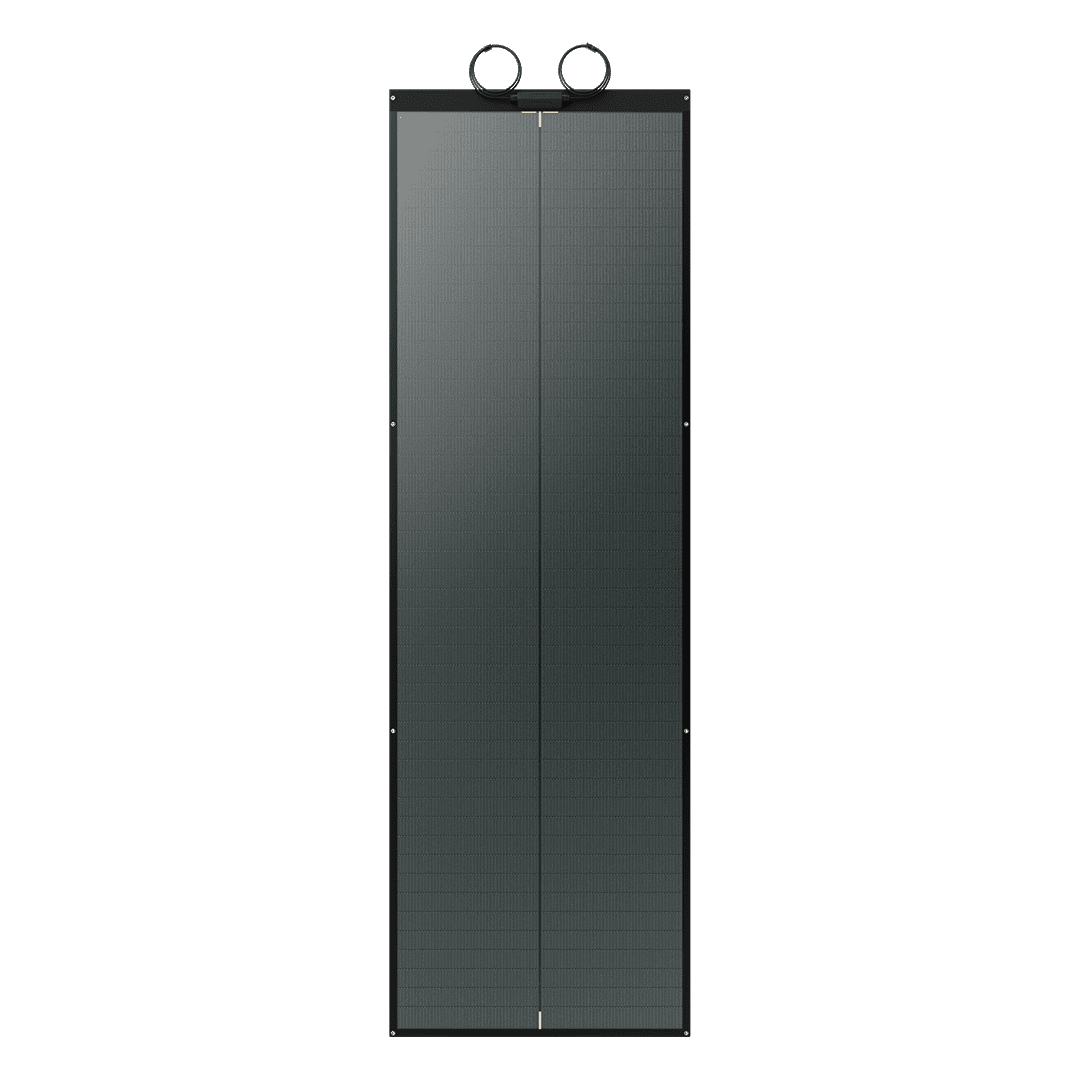
Factory-punched holes with reinforced grommets provide defined attachment points for brackets, suction-cup hardware or another surface-appropriate mounting method. The frame-free panel weighs only 5.95 pounds, helping reduce the load added to roof structures and mobile installations.
At 82.8 by 27.1 inches and only 0.06 inch thick, its long, narrow footprint can work well where usable roof space is limited.